The Misconception About AI Search
Most people assume that ChatGPT and Perplexity have their own special databases. Secret indexes of content they've collected and ranked by their own criteria.They don't.
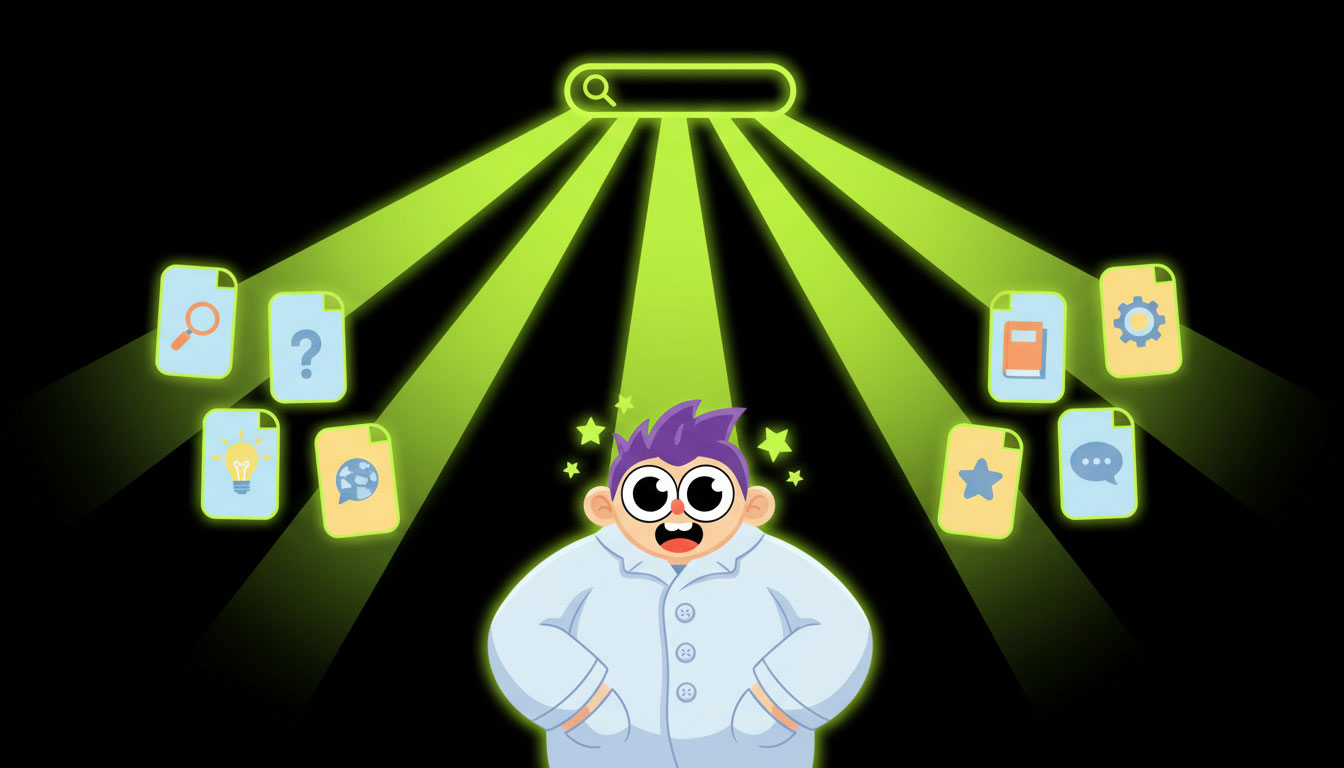
When you ask an AI tool a question, it doesn't search some proprietary AI database. It searches Google. But here's what most people miss: it doesn't search once. It searches multiple times with different variations of your question, then combines those results into a single response.
This process is called query fan out, and understanding it changes everything about how you approach AI visibility.
How Query Fan Out Works
When you type a question into Perplexity or ChatGPT, the AI doesn't use your exact words to search. It expands your question into multiple related searches.For example, if you ask "best project management tools," the AI might run three separate Google searches:
- "best project management software 2025"
- "top project management tools for teams"
- "project management app comparison"
The sources that appear in the AI's final response are typically the ones that showed up in multiple fanned searches or ranked highest across them.
Why This Matters for Your Content
If you've been optimizing for one specific keyword and wondering why AI tools don't cite you, query fan out might be the reason.You might rank well for "project management tools." But if the AI fans out to "project management software" and "PM app comparison" and you don't appear in those searches, you're invisible to two-thirds of the AI's research process.
The AI combines results from all its searches. Content that appears in only one search competes against content that appears in several. Consistent visibility across query variations beats ranking first for a single phrase.
How to See Query Fan Out in Action
You can observe this yourself with a Perplexity Pro account. When you run a search, Perplexity shows you the individual searches it performed. You'll see three or more separate Google queries listed.Copy those exact queries into Google. You'll see the same results the AI saw. This reveals exactly which searches you appear in and which ones you're missing.
With ChatGPT, the process is less transparent. You can sometimes identify the fanned queries by looking at the page titles in the sources. If the sources use different terminology from your original question, those variations were likely the fanned searches.
Finding Your Query Variations
To appear in AI responses, you need to appear in the searches AI actually runs. Here's how to identify them:Start with your main keyword. What's the primary term you're trying to rank for?
List natural variations. How else might someone phrase this question? Think about synonyms, different word orders, and alternative terminology.
Check related searches. Google's "People also ask" and "Related searches" sections show you variations real people use. These often overlap with fanned queries.
Test in Perplexity. Run your main query and see what searches it generates. Those are the exact variations you need to target.
Search each variation in Google. Note where you rank for each one. Gaps in coverage are gaps in AI visibility.
Optimizing for Fanned Queries
Once you know the query variations, you have two options: create new content targeting missing variations or expand existing content to cover them.
For most content creators, expanding existing content is faster. If you have an article on "project management tools" that doesn't mention "project management software," adding that terminology naturally throughout the piece can help you appear in both searches.
This isn't about keyword stuffing. It's about comprehensively covering a topic using all the language people use to describe it. Thorough content naturally includes terminology variations. Thin content often misses them.
What Happens After Fan Out
Query fan out determines which content the AI finds. But finding your content is only step one. The AI still has to decide whether to cite you in its response.This is where structure, credibility signals, and direct answers matter. The AI might find ten sources across its fanned searches. It won't cite all of them. It selects the ones that are clearest, most authoritative, and most directly answer the question.
So you need both: visibility in fanned searches (so AI finds you) and optimized content (so AI cites you). Query fan out without good content structure gets you found but not cited. Great structure without fan out coverage means AI never finds you in the first place.
The Practical Takeaway
AI visibility isn't about ranking for one keyword. It's about consistent presence across the variations of AI searches.
Most content creators optimize for their primary keyword and stop there. They rank well for one phrase but disappear when the AI searches related terms. Query fan out explains why.
The fix is straightforward: identify how AI fans out your topic, check your visibility for each variation, and close the gaps. This is traditional SEO applied to the new reality of how AI search works.
FAQ
Do all AI tools use query fan out?
Yes, the major AI search tools, including ChatGPT, Perplexity, and Google AI Overviews, all expand queries in some form. The specific number of searches and exact methodology vary, but the core concept applies across platformsDoes this mean schema markup doesn't matter?
Schema helps AI understand your content once it finds you, but it won't help you appear in searches where you don't rank. You need both: SEO visibility for fanned queries (so AI finds you) and proper structure and schema (so AI cites you accurately).
How many query variations should I target?
Focus on the primary 3-5 variations that Perplexity actually generates for your topic. You don't need to chase every possible phrasing. Target the specific searches AI tools actually run.Is query fan out the same as semantic SEO?
Related but not identical. Semantic SEO focuses on covering topics comprehensively with related concepts. Query fan out is specifically about appearing in the multiple searches AI tools run. Good semantic SEO naturally helps with query fan out because comprehensive content includes terminology variations.