Introduction
Perplexity has emerged as a major player in AI search, processing over 500 million queries monthly. Unlike traditional search engines that list links, Perplexity provides direct answers with transparent citations, making it a key platform for content visibility.
Understanding how Perplexity selects sources can help you optimize your content for citation in this growing platform.
How Perplexity Works
Curated Source Index
Perplexity does not index the entire web like Google. Instead, it uses a curated list of reputable sources, prioritizing trustworthiness and authority. This smaller, selective index means quality matters more than quantity.
Real-Time Search
For each query, Perplexity performs real-time searches using advanced AI models including GPT-4 and Claude. It synthesizes content from top-tier sources, conducting multiple automated searches for complex questions.
Transparent Citations
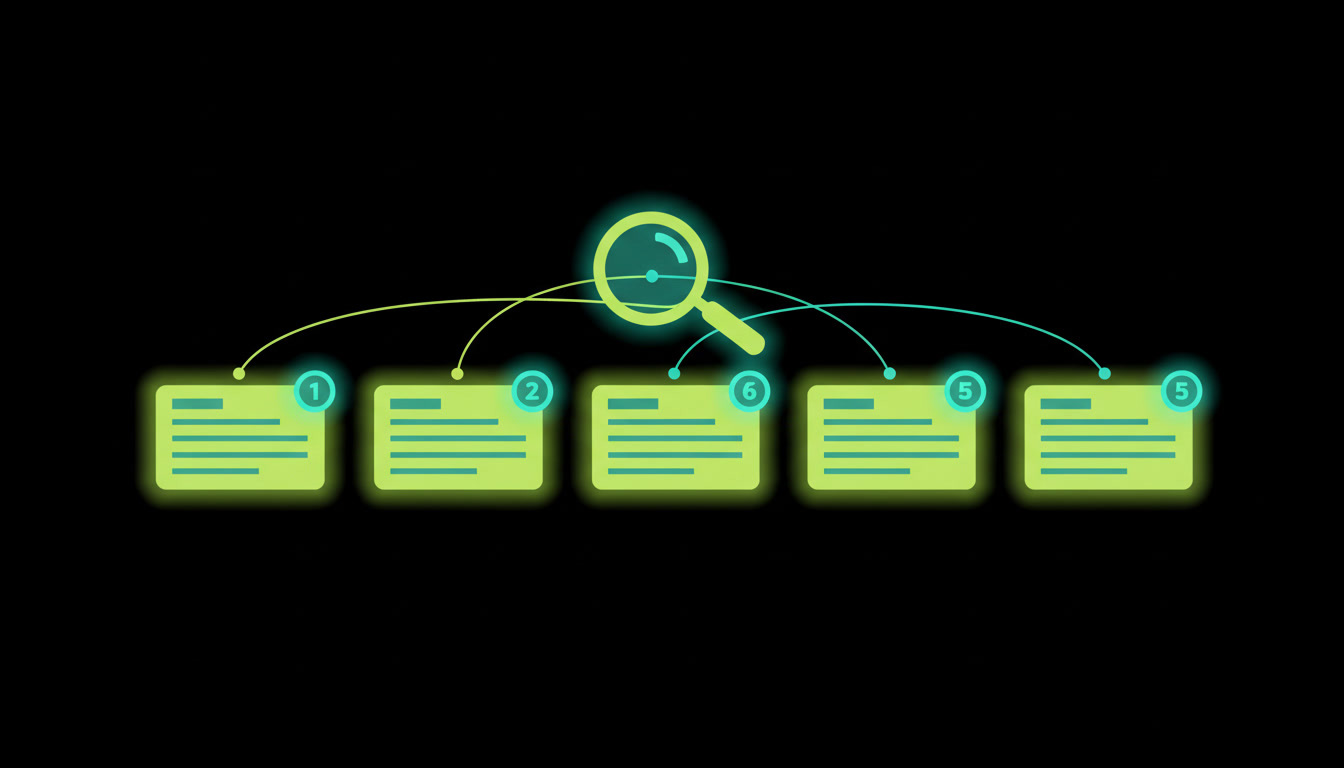
Every Perplexity answer includes numbered footnotes linking directly to sources. Users can click through to verify claims, making citation quality visible and important.
What Perplexity Prioritizes
Community-Generated Content
Research shows Reddit is Perplexity's top cited source at 6.6% of overall citations. The platform strongly favors forums, discussion boards, and community Q&A sites over polished corporate content.
Conversational Tone
Perplexity favors content written like a conversation between friends. Formal business writing often performs worse than authentic, accessible explanations.
Real User Experiences
First-hand accounts, testimonials, and personal experiences rank highly. Content describing actual product usage or real-world application gets cited more than theoretical explanations.
Recent Content
Visible timestamps signal freshness. Perplexity prioritizes recently updated content, especially for evolving topics where current information matters.
Scannable Structure
Bullet points, tables, clear headings, and short paragraphs perform well. Content structured for quick extraction gets cited more frequently.
Content Characteristics That Get Cited
Q&A Format
Content structured as questions and answers matches natural search patterns. FAQ sections and direct question-answer pairs align with how users query Perplexity.
Answer-First Approach
Start sections with one to three sentence summaries. Lead with the answer, then provide supporting detail. This structure helps Perplexity extract key information.
Authoritative Outbound Links
Linking to primary sources like research papers, official documentation, and verified data increases credibility. Perplexity recognizes content that demonstrates research rigor.
Clear Author Attribution
Visible author credentials and E-E-A-T signals matter. Named authors with expertise indicators perform better than anonymous content.
Step-by-Step Guides
How-to content with practical applications gets cited frequently. Clear, actionable instructions that users can follow directly appeal to Perplexity's utility-focused approach.
Differences From Other AI Platforms
Perplexity's source preferences differ notably from ChatGPT and Google AI Overviews.
Community Over Encyclopedia
While ChatGPT cites Wikipedia most frequently (7.8%), Perplexity leads with Reddit (6.6%). This reflects Perplexity's focus on real user perspectives over encyclopedic authority.
Authenticity Over Polish
Corporate-polished content that performs well in traditional SEO may underperform in Perplexity. Genuine, helpful content from smaller sites can compete with larger brands.
Diverse Source Distribution
Perplexity draws from a wider range of sources rather than concentrating citations on a few dominant platforms. This creates more opportunities for diverse content creators.
Pro Search and Deep Research
Perplexity offers advanced search modes that expand source consideration.
Pro Search
Pro Search conducts thorough multi-source research with model selection options. It explores topics more deeply, increasing the chance of citing detailed, authoritative content.
Deep Research
Deep Research performs dozens of automated searches, reading hundreds of sources to deliver comprehensive reports. Content that provides unique insights or data can surface even if it would not appear in basic searches.
How to Optimize for Perplexity
Write Conversationally
Adopt a tone like explaining to a friend. Avoid jargon-heavy corporate speak. Use accessible language that feels authentic and helpful.
Include Real Stories
Add case studies, user testimonials, and personal experience. Real examples perform better than theoretical discussions.
Show Freshness
Display visible update timestamps. Note when content was last reviewed. Keep information current, especially for fast-changing topics.
Structure for Extraction
Use clear headings, bullet points, and short paragraphs. Make it easy for AI to identify and extract key information quickly.
Cite Your Sources
Link to authoritative external sources throughout. Demonstrate research depth by referencing credible primary materials.
Match Natural Questions
Use headers and content that match how people naturally ask questions. "How do I..." and "What is the best..." format content for query alignment.
The Opportunity for Smaller Sites
Perplexity's preference for authenticity over corporate polish creates opportunity. Smaller websites with genuine expertise can compete against larger brands by focusing on helpful, honest content with real experience.
This levels the playing field for content creators who may lack the domain authority of major publications but can offer unique insights and authentic perspectives.
Conclusion
Perplexity represents a different approach to AI search, one that values community wisdom, authentic experience, and helpful transparency. Optimizing for Perplexity means writing genuinely useful content in an accessible style, structuring it for easy extraction, and demonstrating real expertise through first-hand accounts.
Focus on being helpful rather than promotional, and Perplexity's source selection will work in your favor.