
You Might Be Getting Cited and Not Know It
Here's something frustrating about AI search: when ChatGPT or Perplexity cites your content, you don't get a notification. There's no ping in your analytics. No email. Nothing.
Your content could be the primary source for hundreds of AI-generated answers, and your traffic dashboard would show nothing unusual. AI citations are invisible unless you actively look for them.
This matters because understanding your AI visibility indicates whether your optimization efforts are effective. It reveals which content resonates with AI systems and which gets ignored. Without this feedback, you're optimizing blind.
Here's how to find out where you actually stand.
The most reliable way to check AI citations is to test directly. Ask AI tools the questions your content answers and see what happens.
Testing in ChatGPT
Open ChatGPT and ask questions related to your content topics. Be specific. Instead of asking "what is SEO," ask the exact questions your articles address: "how do I optimize content for AI search," or "why is my blog traffic dropping even though my rankings are stable."
Look at the response carefully. ChatGPT with search enabled shows source links. Click through to see if your site appears. Even without explicit links, watch for information that matches your unique content. If ChatGPT presents your specific frameworks, statistics you cited, or examples you created, it may be drawing from your work.
Test variations of your target queries. AI responses vary based on exact phrasing, so try multiple versions of the same question.
Testing in Perplexity
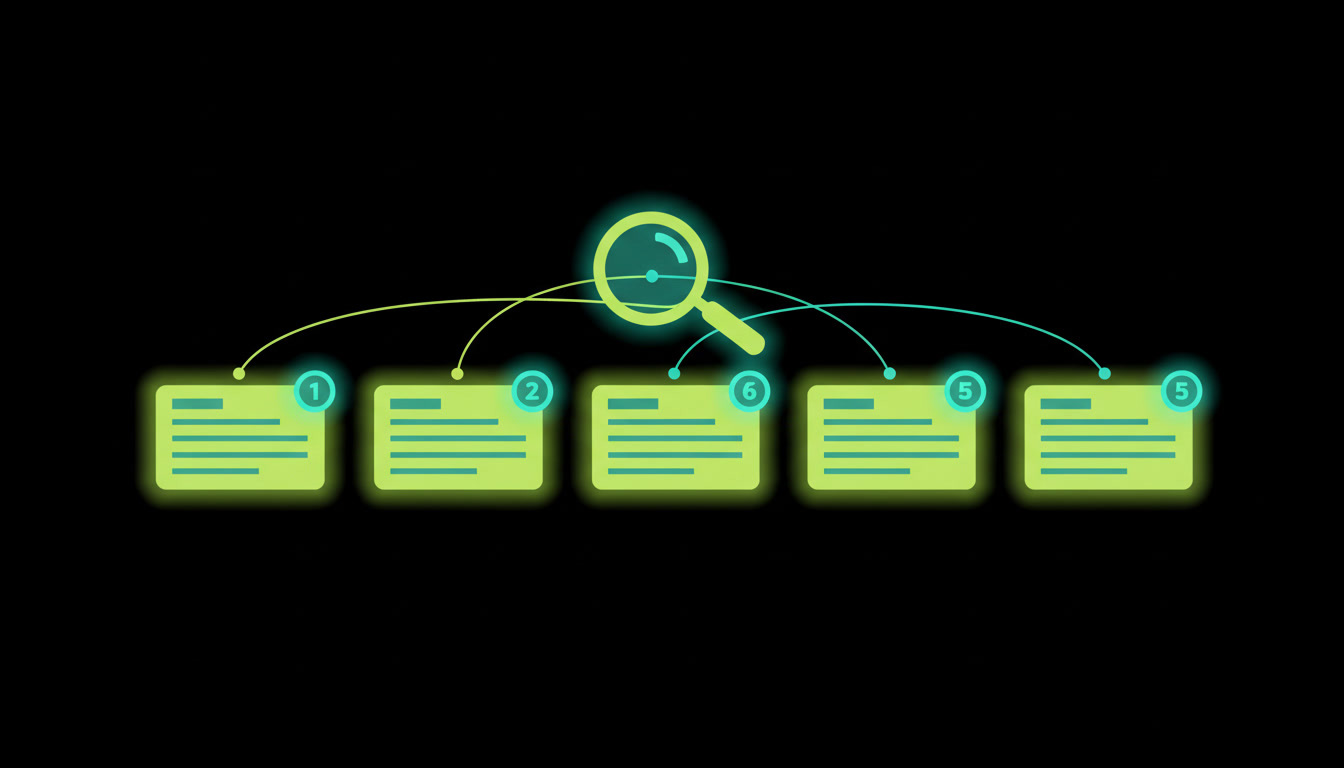
Perplexity is more transparent about sources. Every response includes numbered citations that link directly to source pages.
Ask your topic questions and scan the citation list. Your domain appearing here is clear evidence of AI citation. Note which specific pages get cited and for which queries.
Perplexity also lets you see how your content is being used. The response often quotes or paraphrases directly from sources, so you can see exactly what AI found valuable enough to extract.
Google AI Overviews appear at the top of search results for many queries. Search for your target keywords and look for the AI-generated summary box.
If an AI Overview appears, expand the sources section. Google indicates which pages contributed to the response. Your site appearing here means you're being cited in the highest-visibility AI placement available.
Not all queries trigger AI Overviews. Informational and how-to queries are most likely to show them. Commercial and navigational queries often don't.
Test your target keywords. These are the topics you've intentionally optimized for. If you're not appearing for these, something in your optimization needs adjustment.
Test questions your content explicitly answers. Look at your H2 headings. Many should be phrased as questions or easily converted to questions. Test those exact phrasings.
Test your unique angles. If you've published original research, proprietary frameworks, or distinctive takes on topics, test queries that would surface that unique content. AI tools citing your original work is a strong signal of authority.
Test competitor comparisons. Search for queries where you and competitors both have relevant content. Seeing who gets cited reveals your relative position in AI visibility.
Manual checks tell you where you stand today. Monitoring tools track changes over time and alert you to new citations.
Otterly.ai
Otterly tracks your visibility across ChatGPT, Perplexity, and Google AI Overviews. You set up the queries you want to monitor, and it checks regularly to see if your site appears in responses.
The value is trend data. You can see if your citations are increasing, decreasing, or holding steady. This reveals whether your optimization work is producing results.
Profound
Profound focuses on brand monitoring in AI responses. It tracks mentions of your brand name, products, or key terms across AI platforms.
This catches citations you might miss with query-based monitoring. AI might mention your site in response to queries you hadn't thought to track.
LLMrefs and Similar Tools
Several newer tools specifically track LLM citations and references. The landscape is evolving quickly, so search for current options if established tools don't meet your needs.
Most offer free tiers or trials. Test a few to find one that fits your workflow before committing.
Setting Up a Monitoring Routine
Sporadic checking isn't enough. Build a regular monitoring habit.
Weekly manual checks. Pick 5-10 priority queries and test them across ChatGPT, Perplexity, and Google. Track results in a simple spreadsheet: query, platform, cited (yes/no), date.
Monthly trend review. Look at your tracking data for patterns. Which content types get cited most? Which platforms cite you most frequently? Are citations increasing or decreasing?
Quarterly deep analysis. Review your full content library against AI visibility. Identify your best-performing content and analyze what makes it successful. Identify content that should be cited but isn't, and prioritize it for optimization.
What to Do With the Results
Content that gets cited: Analyze what's working. Is it the structure, the depth, the authority signals? Create more content following the same patterns.
Content that doesn't get cited: Run it through a diagnostic check. Compare it against content that does get cited. Identify the gaps and prioritize fixes.
Declining citations: Something changed. Your content may have become outdated, or competitors may have published stronger alternatives. Investigate and update.
New citations appearing: Your optimization is working. Note what you changed and apply those lessons to other content.
Start Simple, Then Scale
You don't need expensive tools to begin. Start with manual checks on your most important content. Ten minutes a week testing a handful of queries in ChatGPT and Perplexity tells you more than guessing.
Add monitoring tools when you're ready to track systematically. Use our analyzer to identify which content needs optimization before you invest time promoting it to AI systems.
The goal is feedback. Knowing your actual AI visibility lets you make informed decisions about where to focus your optimization efforts.
FAQ
Weekly manual checks for priority content, monthly reviews of trends, and quarterly deep analysis of your full content library. More frequent checking rarely reveals meaningful changes since AI systems don't update their knowledge continuously.
Not directly. Traffic from AI tools sometimes appears as referral traffic (from perplexity.ai, for example) but often shows as direct traffic or doesn't appear at all if users got their answer without clicking through. This is why direct monitoring is essential.
Start with Perplexity because its citations are most transparent. Then add Google AI Overviews because of their visibility in search results. ChatGPT matters for brand awareness but is harder to track systematically.
What if I'm not being cited anywhere?
Focus on fixing the fundamentals first. Check your content structure, credibility signals, and schema markup. Our analyzer identifies which factors need attention. Once those are solid, test again and begin tracking your progress.